A dent can change the shape of a panel without leaving much damage around it. The right repair starts with checking the metal, the paint, and the access behind the panel.
Open 24/7 across Chandler · Flat-rate pricing quoted before we start
Overview
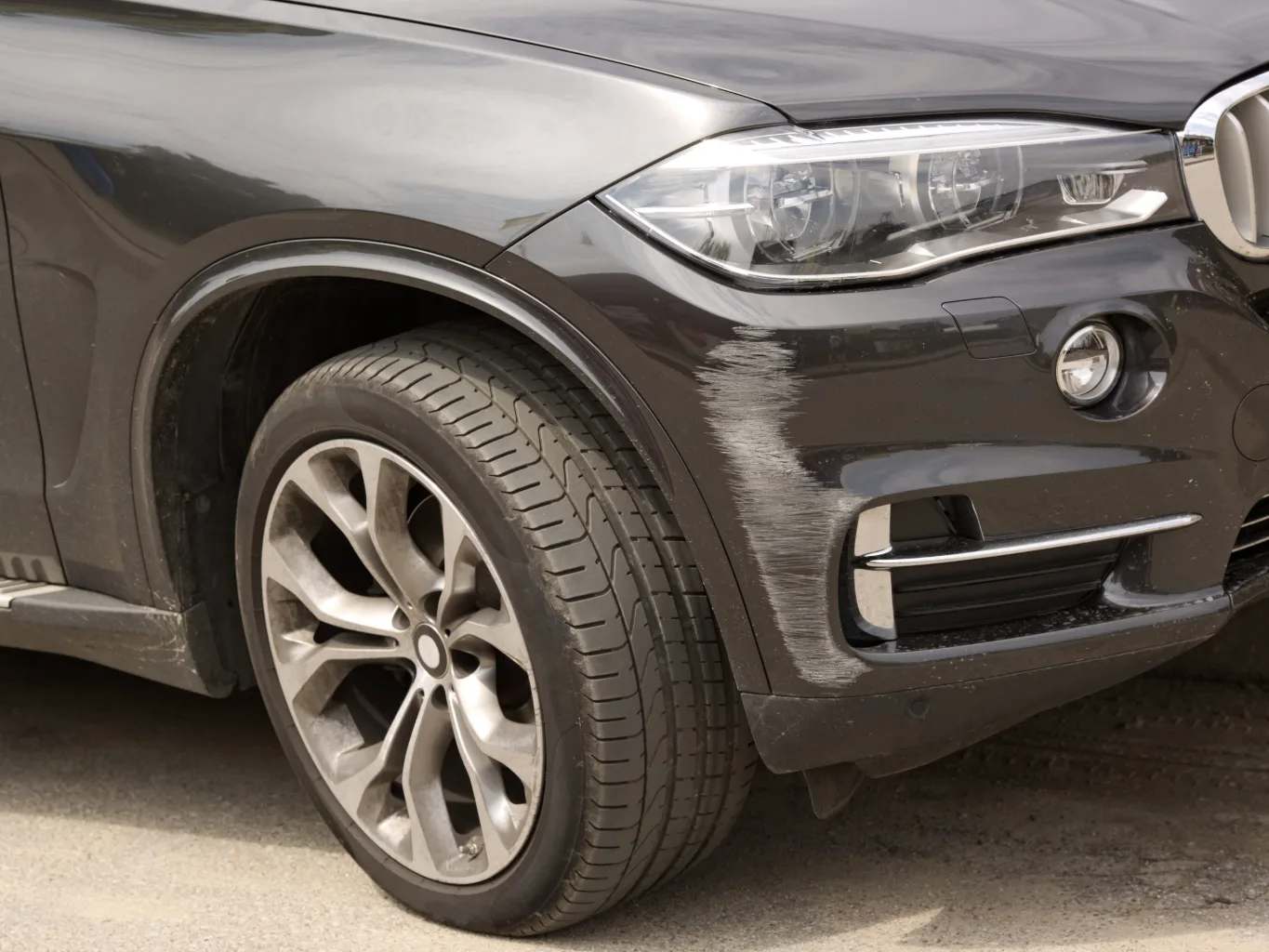
Dents vary in depth, size, location, and shape. A shallow impression with intact paint may be a candidate for paintless dent repair, while a sharper crease, stretched metal, or damaged finish may need conventional auto body repair and refinishing.
An auto body technician examines the damaged area before work begins and explains which approach fits the panel. The goal is to restore the panel's shape while accounting for the surrounding paint and the way the dent formed.
Symptoms
When to call
A door, fender, hood, or quarter panel has a visible dent
Even a small dent can be easier to see from certain angles or under changing light. Calling early gives an auto body technician a chance to check the panel before the damage becomes more difficult to assess.
The dent has a sharp crease or exposed paint
A crease can stretch the metal, and chipped or cracked paint can leave the panel vulnerable to further damage. These signs may mean the repair involves more than gently reshaping the panel.
A previous dent repair still looks uneven
A visible low spot, high spot, or distorted reflection can indicate that the panel shape was not fully restored. An inspection can identify whether the issue is limited to the surface or involves the underlying panel.
You are unsure whether the damage needs PDR
Paintless dent repair is not suitable for every dent. The location, depth, access behind the panel, and condition of the paint all affect which repair method makes sense.
Our process
How the job goes
1
Inspect the panel and damage
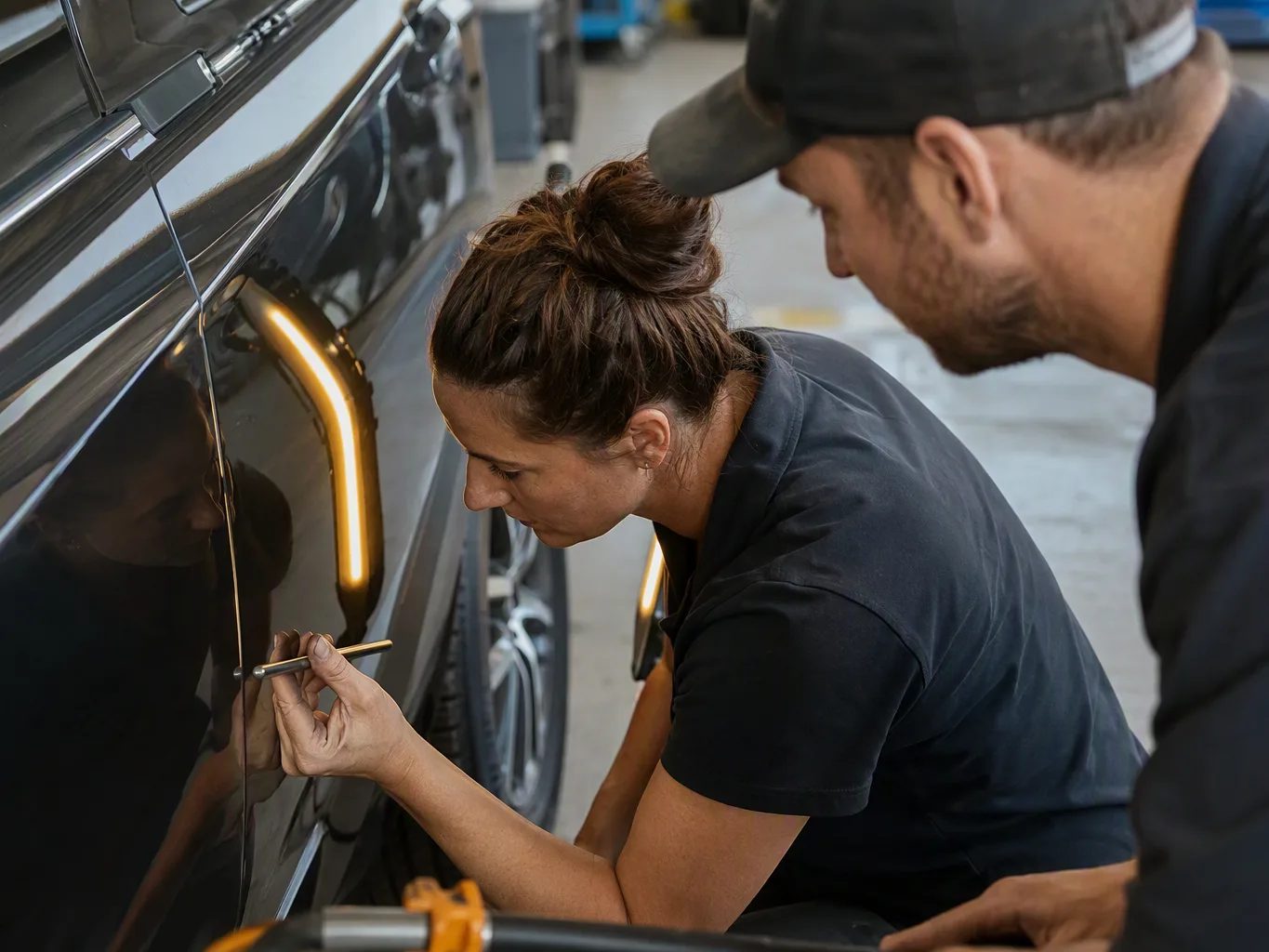
The technician looks at the dent from several angles and checks the paint, panel edges, creases, and access behind the damaged area. This inspection helps determine whether PDR or conventional dent repair is appropriate.
2
Choose the repair method
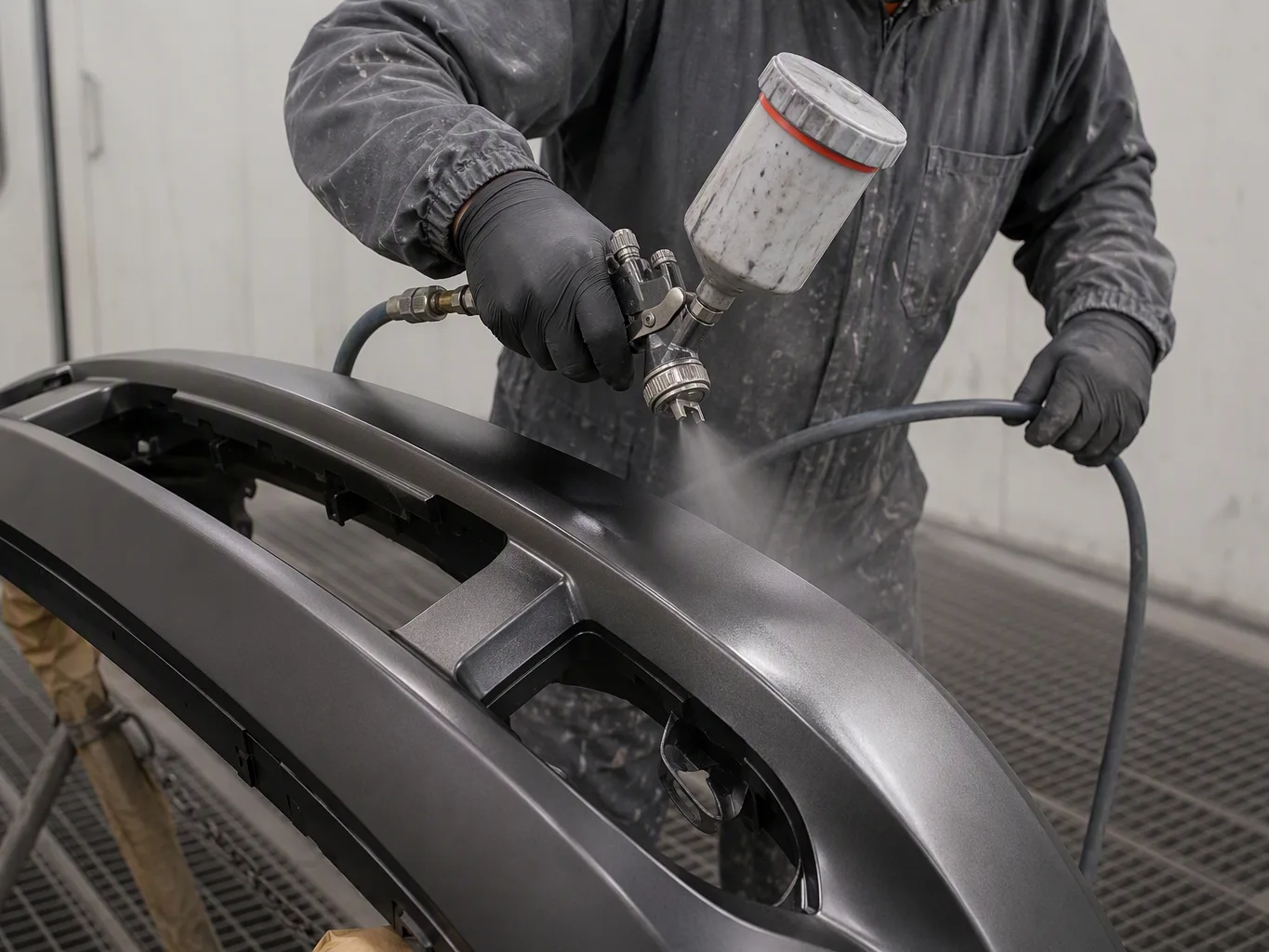
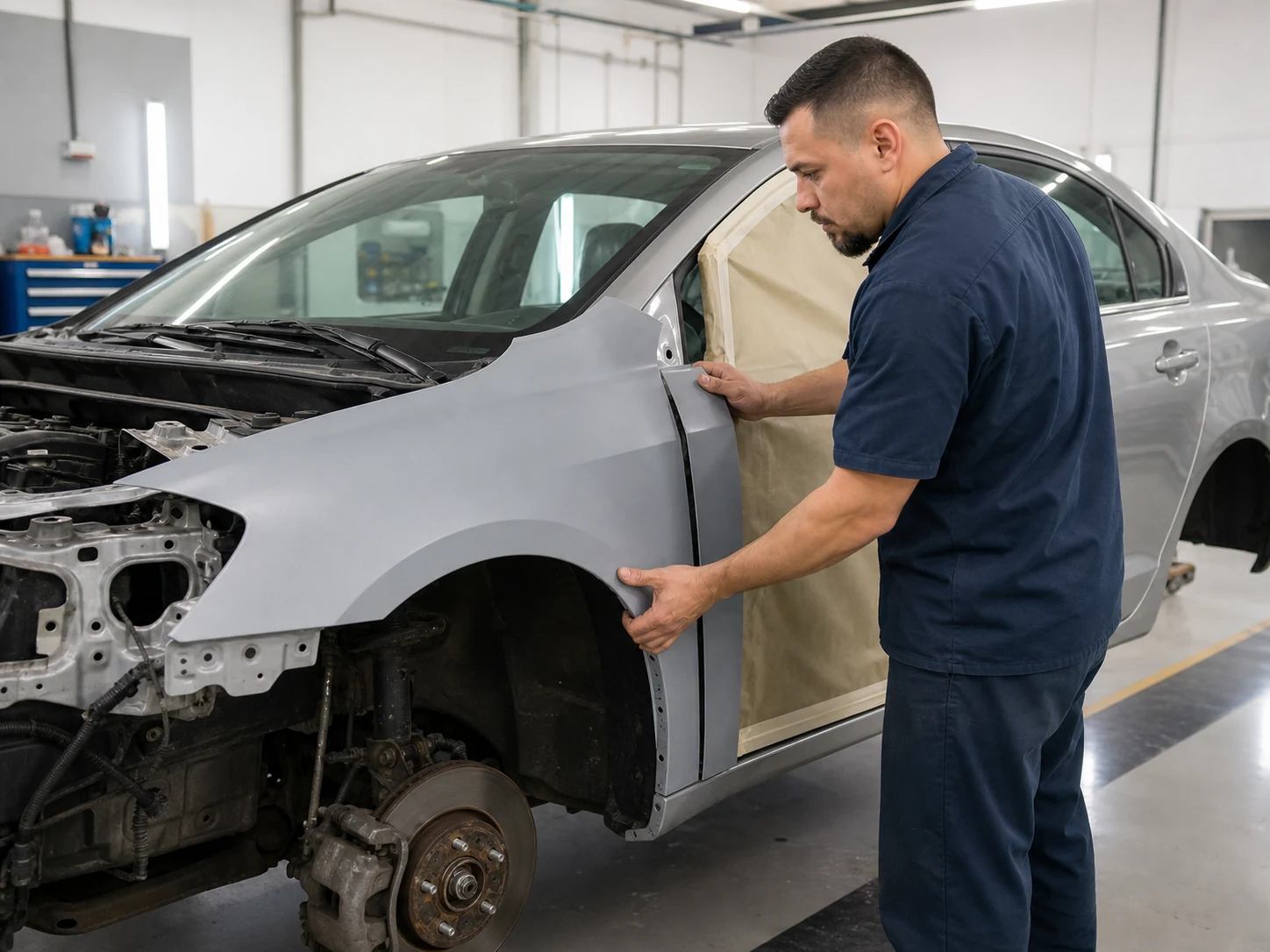
If the paint is intact and the metal can be returned to shape, PDR may be considered. If the panel has stretched metal, damaged paint, or a difficult crease, the repair may involve bodywork and refinishing.
3
Restore the panel shape
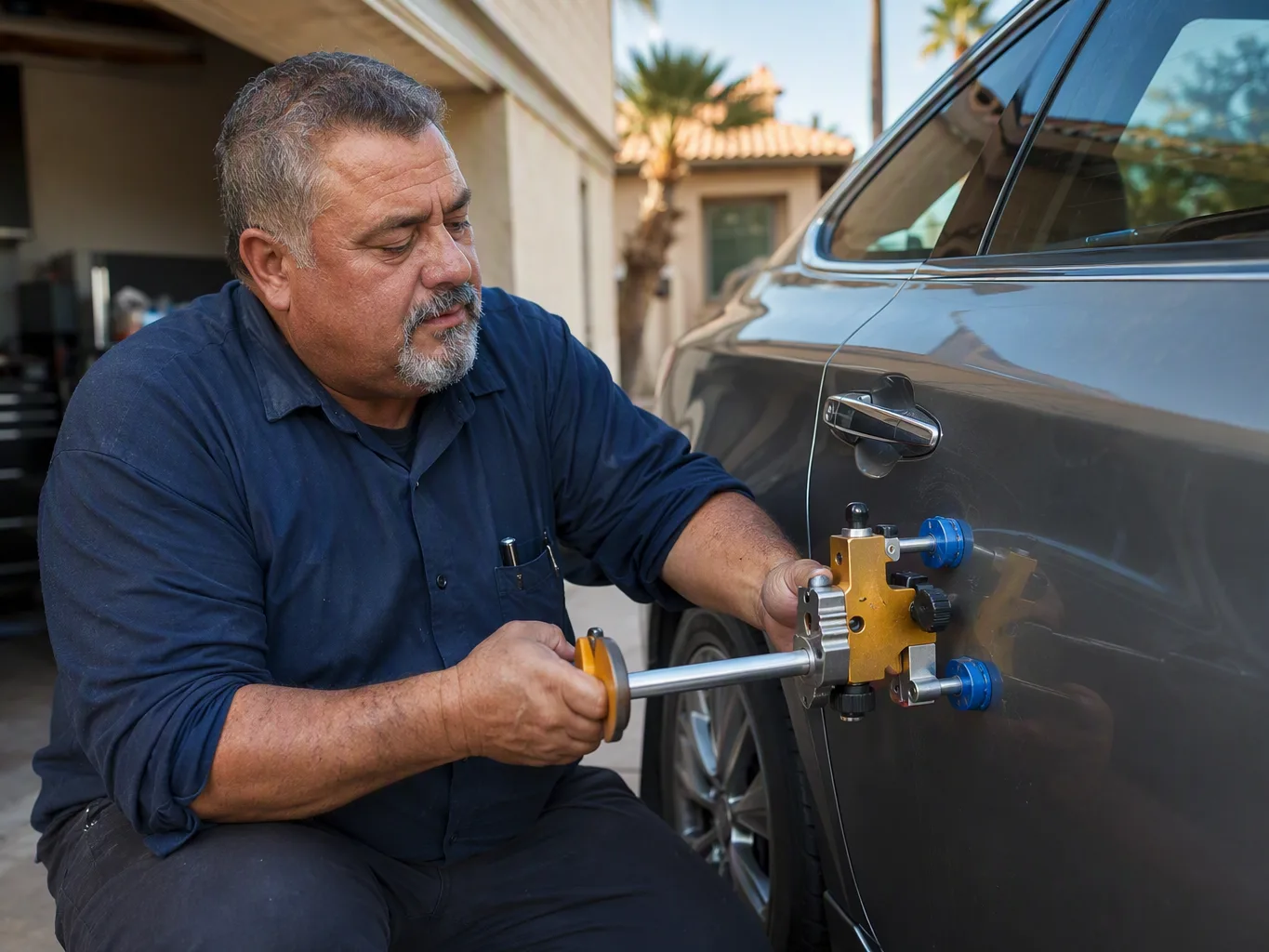
For PDR, the technician carefully works the metal from behind or uses controlled pulling from the panel surface. Conventional repair may require reshaping, smoothing, and preparing the area for paint.
4
Check the finished panel
The repaired area is checked for remaining distortion, uneven reflections, and changes in the panel's fit. If refinishing is part of the repair, the painted area is checked with the surrounding panel.
Scope
What the repair includes
The quote is based on the dent's size, depth, location, paint condition, and the repair method needed. The final scope is explained after the panel has been inspected.
No. PDR depends on factors such as the dent's depth, the condition of the paint, the location of the damage, and whether the technician can access the back of the panel.
Will my dent need paint?
Not always. A dent with intact paint may be repaired without refinishing, while chipped, cracked, or damaged paint may require conventional repair and paint work.
Can a dent be repaired without replacing the panel?
Many dents can be repaired without panel replacement, but the answer depends on the amount of damage and the condition of the metal. The panel is inspected before that decision is made.
How is dent repair priced?
Pricing depends on the dent's size, shape, location, paint condition, and whether the work uses PDR or conventional auto body repair. An inspection provides the information needed for a repair quote.